Everything you need to know
We know how important it is to understand the ins and outs of your vehicle. We’ve put everything you need to know, from trouble-shooting worn tyres to clear and concise driving guides in the articles below.

Flat Tyre: What to Do and Can You Drive on One? Here’s What You Need to Know
This guide walks you through everything you need to know, from spotting a flat tyre and understanding what causes it to knowing whether you can drive on one and what to do next.
Continue reading
What is aquaplaning and how to avoid it
Aquaplaning, sometimes referred to as hydroplaning, is when a layer of water builds up between your tyres and the road surface. This break in contact between your tyres and the road results in a loss of control over your vehicle and the results can be devastating.

How to drive in heavy rain
Driving in the rain can be dangerous. Visibility decreases and wet roads can lead to aquaplaning. Follow this advice so you can remain as safe as possible when driving in the rain.

Advice and tips on how to drive on icy roads
As temperatures drop lower and lower in the night, turning rain into slippery ice, mornings and early commutes can become really dangerous as ice becomes the motorists worst enemy. But with some driving tips and advice you should be out of trouble.

Tyre Pressure for Winter: How Cold Weather Affects Your Tyres
Our comprehensive guide explains why tyre pressure drops in colder temperatures and the risks associated with driving on underinflated tyres. You'll also learn to recognise warning signs like uneven tread wear and poor grip, alongside practical, step-by-step tips for checking and maintaining correct tyre pressure during winter months.

Winter Car Check & Maintenance Guide for Safer Seasonal Driving
A seasonal guide to help drivers prepare their vehicles for colder weather, focusing on practical maintenance and safety tips. Outlining a clear winter car check process, covering key areas such as oil changes, brake inspections, battery health, tyre care and visibility improvements.

How to Get a Dent Out of a Car: When to Get Pro Help
DIY techniques for fixing minor car dents at home, followed by an explanation of the benefits of professional services for more complex damage.


Recharging Car AC System: Keep Your Car Cool This Summer
This blog is a comprehensive guide to maintaining and recharging your car's air conditioning system, ensuring it stays efficient and keeps you cool during summer. It covers key topics like identifying when your AC needs regassing, the importance of regular servicing, choosing the correct refrigerant gas and detecting leaks.

Car warning signs: When to visit a local car repair garage
This guide covers seven critical warning signs—including fluid leaks, smoke from the hood and trouble starting the engine—that signal your car needs urgent attention. It also highlights HiQ’s expert services, helping drivers find trusted local garages for professional repairs and maintenance.

Pros and Cons of Budget, Mid-range and Premium Tyres
Choosing the right tyres means balancing cost, fuel efficiency, weather performance, road noise and overall handling. This guide breaks down budget, mid-range and premium options, helping drivers assess their needs based on vehicle type, usage and priorities. Make an informed decision to keep your car safe, efficient and roadworthy.

Complete MOT Test Guide
Learn about MOT costs, checks, how to prepare, and what to do if your car fails. Read our full guide now!

How to Check Brake Fluid
Learn how to check your brake fluid with this in-depth guide covering what it is, how to check it, and how often.

What does a Car Service include?
Your ultimate guide to car servicing covering what is included in a car service, the different types and how often a car should be serviced.
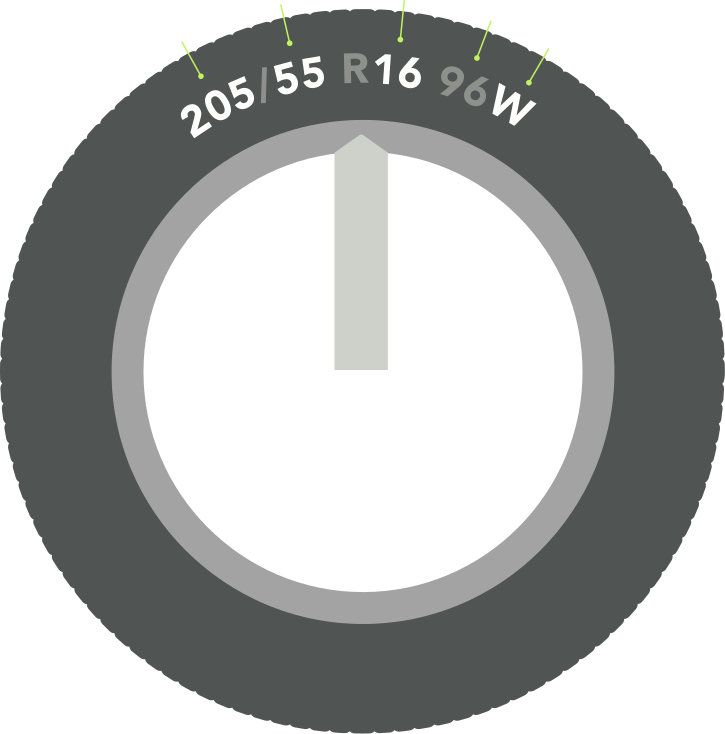
Tyre fitment markings
Width
The width of the tyre in millimeters
Profile
The height of the tyre sidewall as a percentage of the width
Rim
The diameter of the wheels inner rim in inches
Load
The load index indicates the maximum load the tyre can carry
Speed
The speed rating indicates the maximum speed for the tyre